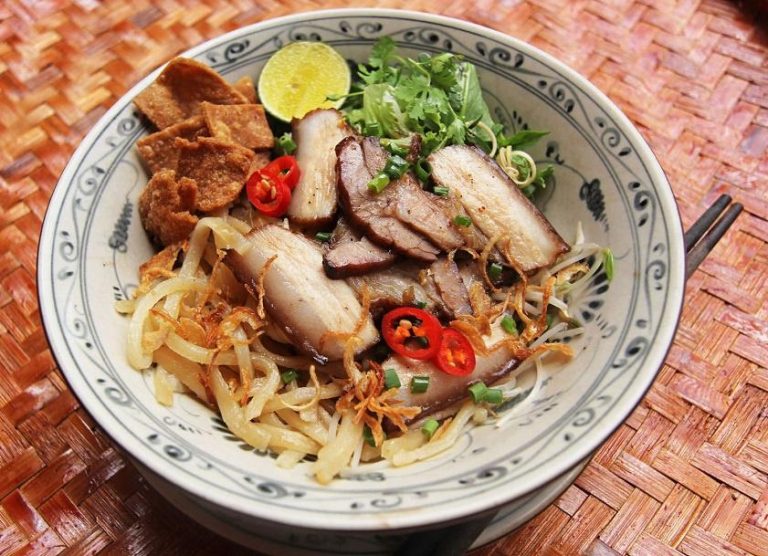
😄 A Fun Introduction Before We Talk About Mắm Cái
Before we dive into Mắm Cái, here’s a fun Vietnamese language fact!
In Vietnamese, the word “cái” is often associated with things that are large, important, or significant.
For example:
• Ngón cái = the thumb, the biggest finger on your hand.
• Đường cái = the main road, the largest and most important road in a village or town.
• Sông cái = the main river.
• And even quỷ cái = the “mother of all devils” – the biggest and scariest devil! 😆
So, following that logic, when Vietnamese people say “Mắm Cái”, it sounds like it should be the biggest, strongest, and most important fish paste of them all!
Of course, that’s just a fun way to explain the name. 😄
But many people in Central Vietnam would proudly say that among all the different types of fermented fish products found across Vietnam, Mắm Cái made from anchovies is truly the king of them all.
Its flavor is richer, deeper, and more intense than most other types of fish paste. For generations, it has been the heart of family meals in Da Nang, Quang Nam, and many coastal communities of Central Vietnam.
🌊 Discovering Nam O Fishing Village
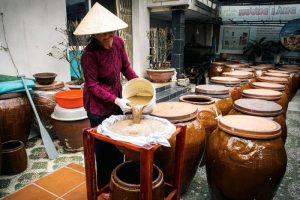
When travelers think of Vietnamese cuisine, dishes like pho, banh mi, or bun cha often come to mind. However, for many Vietnamese people—especially those in Central Vietnam—the true soul of local cuisine lies in its traditional fermented fish products, known as “mắm”.
Located at the foot of Hai Van Pass in Lien Chieu District, Da Nang, Nam O is one of the oldest fishing villages in Central Vietnam. For generations, local families have relied on the sea for their livelihood and have preserved the traditional craft of making fish sauce and fermented fish paste.
Today, Nam O is not only a traditional production village but also an emerging cultural destination where visitors can experience authentic coastal life and centuries-old culinary traditions.
🐟 What Is Mắm Cái?
Unlike fish sauce, which is filtered into a clear liquid, Mắm Cái retains the fermented fish meat, resulting in a thick texture and a rich, savory flavor.
Main ingredients:
• Fresh anchovies or small mackerel
• Sea salt
• Natural fermentation over several months
After months of fermentation, the fish softens and transforms into a dark brown paste with a distinctive aroma that is deeply loved by local people.
For many first-time visitors, the smell may seem strong. However, for Central Vietnamese families, it is a familiar taste that brings back memories of home and family meals.
🍽️ How Do Locals Enjoy Mắm Cái?
Mắm Cái is commonly mixed with:
• Garlic
• Chili
• Sugar
• Lime juice
It is then served with:
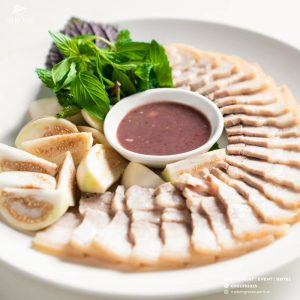
• Boiled pork
• Rice paper rolls
• Fresh herbs and vegetables
• Cucumber
• Pickled eggplant
• Steamed rice
The combination creates a perfect balance of salty, savory, spicy, and fresh flavors that represent the essence of Central Vietnamese cuisine.
🏺 The Secret Behind Nam O Fish Sauce
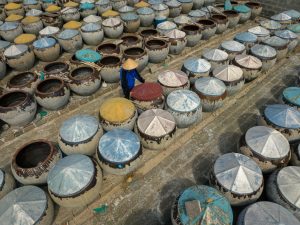
Nam O Fish Sauce is famous throughout Vietnam for its traditional production process, which has been carefully preserved for generations.
Premium ingredients:
• Fresh black anchovies
• High-quality sea salt from Ca Na
The fish are mixed with salt immediately after being caught and fermented in large wooden barrels or clay jars for 12 to 18 months.
After the fermentation process is complete, the first extraction—known as the “first press”—is collected. This premium fish sauce has:
• A beautiful amber color
• A rich aroma
• A balanced salty flavor
• A naturally sweet aftertaste
Many locals proudly consider Nam O Fish Sauce one of the finest fish sauces in Vietnam.
Vietnam – A Country of Fermented Fish Traditions
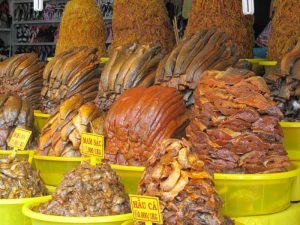
One of the most fascinating aspects of Vietnamese cuisine is that every region has its own unique type of fermented seafood.
Northern Vietnam
• Mắm Tôm (Fermented Shrimp Paste) – Hanoi, Hai Phong
• Mắm Cáy (Fermented Crab Paste) – Thai Binh
Central Vietnam
• Mắm Cái Nam O – Da Nang
• Mắm Nêm – Da Nang & Quang Nam
• Mắm Ruốc, Mắm tôm – Hue
Southern Vietnam
• Mắm Cá Linh – An Giang
• Mắm Cá Sặc – Chau Doc
• Mắm Ba Khía – Ca Mau
• Mắm Thái – Mekong Delta
Each variety reflects the local environment, fishing traditions, and culinary culture of its region.
🌟 More Than Food – A Living Heritage
For Vietnamese people, mắm is much more than a seasoning.
It represents centuries of knowledge developed long before refrigeration existed. It tells the story of fishing communities, family traditions, and the close relationship between people and the sea.
The traditional craft of producing Nam O Fish Sauce has become an important cultural heritage of Da Nang, helping preserve the identity of local fishing communities.
When visiting Nam O, travelers can do much more than taste authentic fish sauce and fermented fish paste. They can explore the history, culture, and spirit of one of Central Vietnam’s most fascinating coastal villages
And once you’ve tried it with boiled pork, fresh herbs, and rice paper rolls, you may understand why locals are so passionate about it.